Harley Street Clinic Cleaning Standards in Marylebone
Medical clinics on Harley Street carry a reputation that is hard won and very easy to lose. Patients notice the little things: the shine on a reception desk, the smell of a room after a consultation, the quiet confidence that everything has been properly cleaned. In a place like Marylebone, where expectations are high and footfall can be constant, Harley Street Clinic Cleaning Standards in Marylebone are about far more than making a space look tidy. They support safety, comfort, trust, and the professional image that patients expect the moment they walk through the door.
This guide explains what those standards usually involve, how they work in practice, and what clinic managers, practice administrators, landlords, and facilities teams should look for. If you are weighing up a cleaning routine for a consulting room, treatment suite, waiting area, or a whole medical practice, you will find a practical framework here. No fluff. Just the things that matter.
For clinics also managing office-style admin spaces or mixed-use premises, it can help to review broader cleaning services overview options and, where relevant, specialist support such as office cleaning in Marylebone. The right approach is often a blend, not a one-size-fits-all package.
Table of Contents
- Why Harley Street Clinic Cleaning Standards in Marylebone Matters
- How Harley Street Clinic Cleaning Standards in Marylebone Works
- Key Benefits and Practical Advantages
- Who This Is For and When It Makes Sense
- Step-by-Step Guidance
- Expert Tips for Better Results
- Common Mistakes to Avoid
- Tools, Resources and Recommendations
- Law, Compliance, Standards, or Best Practice
- Options, Methods, or Comparison Table
- Case Study or Real-World Example
- Practical Checklist
- Conclusion
- Frequently Asked Questions
Why Harley Street Clinic Cleaning Standards in Marylebone Matters
Harley Street has long been associated with specialist healthcare, private consultations, diagnostics, and boutique clinical care. That reputation depends on more than credentials and location. It depends on how the environment feels and functions. A spotless room can reassure a nervous patient before a single word is spoken. A neglected skirting board, sticky chair arm, or dusty light fitting can do the opposite in seconds. Harsh, but true.
In Marylebone, clinics often sit inside elegant period buildings, refurbished townhouses, or mixed commercial spaces where presentation matters just as much as hygiene. The cleaning standard has to cope with both sides of the equation: visible polish for patients and thorough sanitation for staff. That means cleaning is not a cosmetic task. It is part of the clinic's operational integrity.
There is also a practical reality. Clinics see a wide range of people throughout the day, including vulnerable patients, older visitors, and those who may have compromised immunity. A cleaner environment is not a cure-all, of course, but it helps reduce avoidable contamination risks and supports better infection-control habits. In a busy corridor, that matters. In a treatment room, it matters even more.
Key takeaway: The cleaning standard for a Harley Street clinic is judged by outcomes, not just effort. The space must look professional, feel calm, and be maintained in a way that supports health, trust, and consistency.
For Marylebone businesses more broadly, the same expectation of reliability shows up in homes, rental properties, and office spaces too. That is why many local clients compare clinic routines with deep cleaning services in Marylebone or book a recurring plan through domestic cleaning support when they want the same standard of care at home.
How Harley Street Clinic Cleaning Standards in Marylebone Works
Clinic cleaning works best when it is planned, segmented, and documented. The basic idea sounds simple, but the difference between a decent clean and a reliable clinical clean lies in process. A good routine usually separates low-risk and high-risk areas, uses colour-coded tools, and follows a room-by-room or task-by-task schedule so nothing gets missed when the day gets busy.
Most clinics in this part of London need a combination of daily maintenance, touchpoint sanitation, periodic deep cleaning, and reactive spot cleaning during the working day. You might clean reception counters and waiting areas before opening, sanitise consultation rooms between appointments, and carry out a deeper clean after hours. Truth be told, the schedule often shifts around real clinic life rather than the other way round.
Common areas of focus include:
- Reception desks, card terminals, and door handles
- Waiting rooms, seating, and magazines or brochures
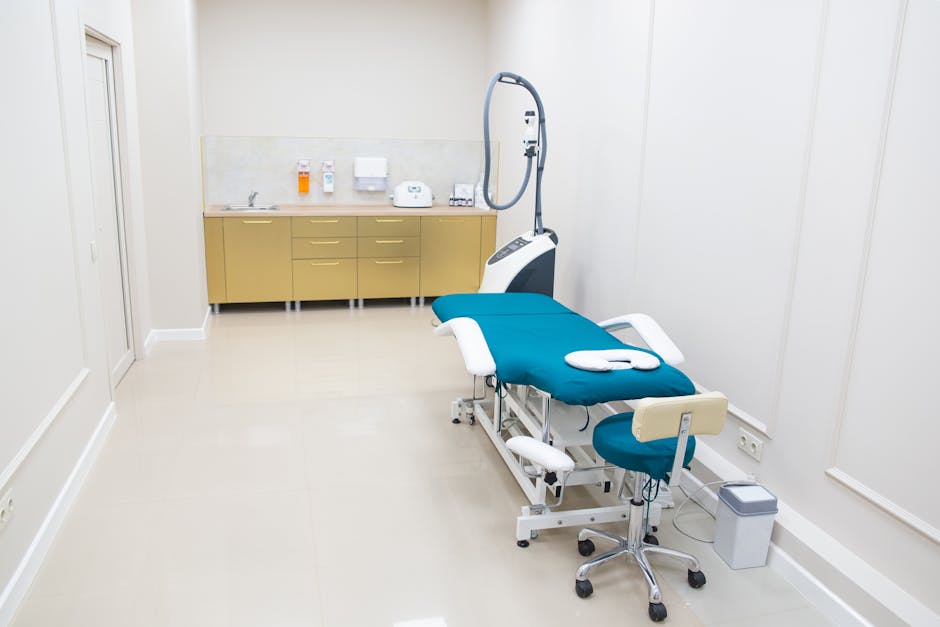
- Consultation rooms and treatment suites
- Toilets, sinks, taps, and high-touch fixtures
- Staff kitchens, storage areas, and back-of-house spaces
- Floors, skirting boards, switches, and shelving
Different rooms need different levels of attention. A treatment room where a patient has had direct contact with equipment usually needs a stricter routine than a quiet office used for paperwork. And if your clinic has upholstered chairs or fabric-covered waiting room furniture, you will want a plan for that too. Services such as upholstery cleaning in London can be a useful part of the wider maintenance picture.
Another important part of how it works is verification. Staff should know what was done, when it was done, and whether anything required special handling. A simple checklist can be enough for a small practice. Larger clinics often need logs, sign-off sheets, or digital records. Not glamorous, granted, but very useful when questions arise.
Key Benefits and Practical Advantages
There are obvious benefits to higher cleaning standards, but the less obvious ones often matter just as much. Here are the main advantages clinic teams tend to care about.
1. Better patient confidence
Patients read the room quickly. If the space feels calm, orderly, and clean, it lowers the sense of risk. That can matter even before the clinician begins explaining a procedure. A fresh waiting area and hygienic consultation room are part of the patient experience, not an afterthought.
2. More consistent day-to-day operations
A formal cleaning standard reduces the "who was supposed to do that?" problem. Staff know what is expected, cleaners know what to prioritise, and the clinic runs with fewer surprises. In a small practice, that can save real time. In a larger one, it can save a headache or two.
3. Better protection for surfaces and fixtures
Frequent correct cleaning helps preserve flooring, upholstery, glass, and worktops. That is especially useful in period properties where materials can be delicate and replacement costs are not exactly small. Gentle methods and the right products matter. More scrubbing is not always more effective.
4. Reduced risk of cross-contamination
While cleaning is not the same as sterilisation, a good routine supports infection-prevention habits by reducing visible soil, grime, and the spread of common contaminants across surfaces. In practical terms, that means fewer bad habits and a cleaner flow through the building.
5. A stronger brand image
Harley Street clinics compete on trust. A well-maintained environment says the practice pays attention to detail. It sounds small, but in a premium healthcare setting, detail is the whole game. The tea might be fine. The floor better be spotless.
| Cleaning approach | Best for | Main strength | Watch out for |
|---|---|---|---|
| Daily maintenance cleaning | Reception, toilets, waiting areas, routine touchpoints | Keeps the clinic presentable and functional every day | Can miss hidden build-up if used alone |
| Deep cleaning | High-use rooms, hard-to-reach areas, periodic resets | Removes accumulated dirt and refreshes the space | Needs proper planning to avoid disruption |
| Specialist room-by-room cleaning | Treatment suites, clinical rooms, sensitive areas | Focuses on higher-risk or higher-importance spaces | Requires clear scope and training |
| One-off support | After refurbishments, events, seasonal refreshes | Flexible and useful when standards have slipped | Not a substitute for routine care |
For some clinics, a one-off cleaning visit in Marylebone is the fastest way to reset after building work, a busy flu season, or a room reconfiguration. For others, a seasonal reset through spring cleaning in Marylebone makes more sense. Depends on the rhythm of the practice.
Who This Is For and When It Makes Sense
This topic is most relevant for practice managers, clinic owners, reception supervisors, facilities coordinators, and anyone responsible for keeping a medical or wellness space presentable and safe. It also matters to landlords and leaseholders in Harley Street or nearby Marylebone buildings, especially where spaces are shared or the clinic runs from a managed property.
You will especially need a robust cleaning standard if your premises includes one or more of the following:
- Consultation rooms with frequent patient turnover
- Procedure or treatment rooms
- Shared waiting areas
- Private toilets for patients and staff
- Fabric seating, rugs, or carpeted areas
- Multiple clinical practitioners using the same room
It also makes sense if your clinic is in a building where visitors notice first impressions quickly. Marylebone is a polished area. Patients arriving from Baker Street, Regent's Park, or the wider West End are often used to a high standard elsewhere, so the clinic has to keep up.
There is a slightly different angle for mixed-use buildings. A clinic on the lower floors of a townhouse, with offices above or residential neighbours nearby, may need cleaning schedules that respect access times, shared entrances, and noise. If that sounds familiar, it can be useful to explore local guidance such as house cleaning in Marylebone or local area insight pieces like living in Marylebone: insider tips to better understand the everyday pace of the neighbourhood. Small context, but it helps.
Step-by-Step Guidance
If you are setting up or reviewing clinic cleaning standards, use this practical sequence. It keeps the process grounded and avoids the common trap of writing a policy that looks nice but does not work on a Tuesday at 8:10am.
Step 1: Map the space
List every room, corridor, touchpoint, and storage area. Mark which areas are public, staff-only, or clinically sensitive. This gives you the basic cleaning map. A small clinic may only need a simple floor plan; a larger one should have a room-by-room register.
Step 2: Rank areas by risk and use
Waiting rooms and reception counters are high-contact areas. Toilets and wash stations often need frequent attention. Treatment rooms may require specific routines between appointments. Not every room gets the same treatment, and that is the point.
Step 3: Define the tasks
Be specific. "Clean room" is too vague. Better to say: wipe down touchpoints, sanitise approved surfaces, empty bins, vacuum or mop the floor, restock consumables, inspect for stains, and record completion. Concrete tasks are easier to manage and audit.
Step 4: Choose safe methods and products
Use products that are suitable for the surface, compatible with the room, and clearly labelled. In a clinic, the wrong product can damage materials or leave residue in places where you do not want it. Less drama, more control.
Step 5: Build in frequency
Some tasks are daily. Some are weekly. Others are monthly or seasonal. For example, reception and toilets may need daily upkeep, while carpets, upholstery, vents, and high shelves may need periodic specialist attention.
Step 6: Create sign-off and escalation rules
Who checks the clean? What happens if a spill appears after hours? Which issues can wait until tomorrow, and which need immediate attention? These decisions should be clear before anyone is standing in a room with a mop and a deadline.
Step 7: Review and adjust
Cleaning plans should evolve with the clinic. If patient numbers rise, if rooms change use, or if the winter season brings more traffic and more mess, the cleaning approach should adapt. Rigid plans are rarely the best ones.
If the practice needs a more detailed reset at any point, a local service such as deep cleaning in Marylebone can help reset the baseline before your routine maintenance takes over again.
Expert Tips for Better Results
Small improvements tend to make the biggest difference in clinic cleaning. Here are the habits that usually separate a decent routine from a genuinely dependable one.
- Use separate tools for separate zones. Reception, toilets, and treatment rooms should not share the same cloths or mops.
- Work top to bottom. Dust and debris fall down, so clean shelves and fixtures before floors.
- Focus on touchpoints first. Handles, switches, pens, card readers, chair arms, and taps collect more contact than people realise.
- Do a visible final check. Look at the room from the patient's eye level. It is a surprisingly useful habit.
- Record anything unusual. Spills, damage, missing stock, or broken fittings should not just vanish into memory.
- Refresh soft furnishings regularly. Fabrics trap odours and dust more than hard surfaces do, so they need their own schedule.
One practical thing many teams overlook is the build-up around skirting boards, radiator edges, and behind waiting-room chairs. Not the glamorous parts, no. But patients do notice when a space has been properly looked after, even if they cannot point to the exact reason why. They just feel it.
For clinics with upholstered seating or fabric partitions, combining routine cleaning with specialist carpet cleaning in Marylebone or upholstery cleaning services can make a noticeable difference to appearance and freshness. Especially in rooms that see heavy daily use.
Common Mistakes to Avoid
Even well-run clinics slip up on the same handful of things. Most of these are avoidable, which is the annoying part.
- Assuming visible clean means hygienic clean. A shiny counter is not the same as a properly cleaned and sanitised surface.
- Using one cloth for everything. It saves time in the moment and causes problems later.
- Ignoring soft furnishings. Chairs, cushions, and carpets quietly collect dirt and odours.
- Skipping logs and checks. If no one can see what was done, it is harder to maintain accountability.
- Overlooking out-of-hours spill response. A small incident can become a much bigger one by morning.
- Choosing products without checking surface compatibility. Some finishes are more delicate than they look.
- Letting cleaning happen around clinic life rather than with it. The best routines fit the daily workflow.
A very common issue in Marylebone properties is timing. Buildings are busy, entrances are narrow, and access windows can be tight. If the cleaning plan does not fit the building's rhythm, it will get skipped or rushed. And rushed cleaning is where standards start to wobble.
One more small but important point: do not promise a level of cleanliness to patients that your current routine cannot sustain. Better to be realistic and consistent than glossy and unreliable. That sounds obvious, yet it trips up more teams than you might think.
Tools, Resources and Recommendations
You do not need a room full of specialist gear to maintain a professional clinic, but you do need the right basics. A careful kit supports better outcomes and reduces the temptation to improvise.
Useful cleaning tools
- Microfibre cloths in clearly separated colours
- Dedicated mops and bucket systems
- Vacuum cleaner with suitable filtration
- Non-abrasive sponges and disposable wipes where appropriate
- Clearly labelled cleaning sprays and surface-safe products
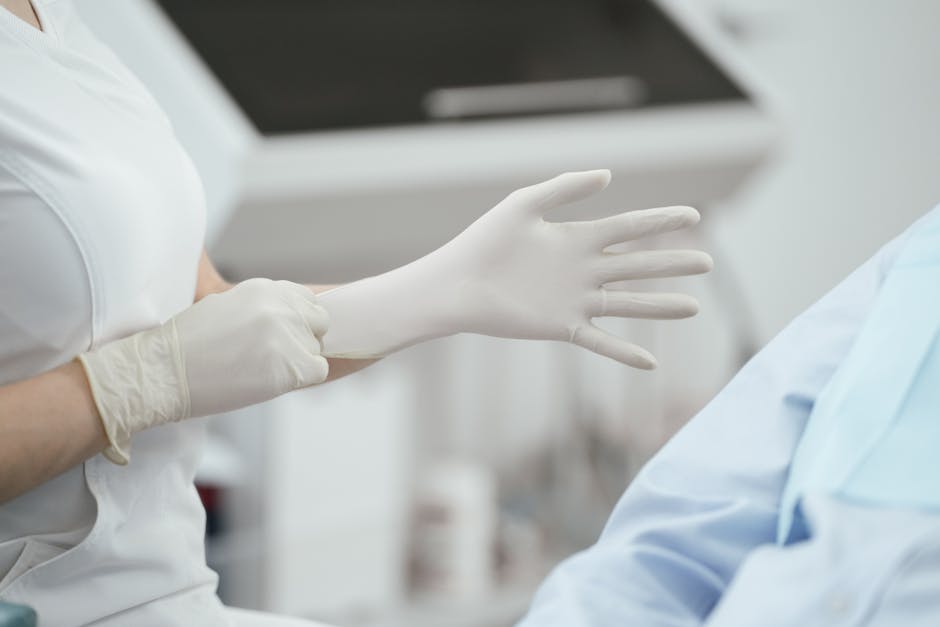
- PPE such as gloves where the task requires it
- Storage caddies or carts to reduce cross-traffic between rooms
Operational resources that help
- Room checklists
- Cleaning logs
- Incident reporting notes
- Stock control sheets for consumables
- Handover notes for shared teams or multi-site practices
For clinic managers who are comparing service levels or checking what support is available locally, a practical starting point is the pricing and quotes page, followed by the company's about us information to understand how the service is structured. That sort of background reading saves awkward phone calls later.
If you are arranging access, payments, or admin for a practice manager or landlord, it can also help to review the payment and security information before booking anything formal. Small admin details, but they matter.
Law, Compliance, Standards, or Best Practice
Cleaning in a clinic environment touches on health, safety, and workplace responsibilities, so it should be approached carefully. The exact obligations depend on the type of clinic, the services provided, and the building setup. It is sensible to seek proper guidance where needed, rather than treating this as a purely cosmetic service.
In the UK, best practice typically means having a clear cleaning protocol, using suitable products safely, training staff or contractors properly, and maintaining records where practical. In a medical or wellness setting, that often includes:
- Risk-aware cleaning procedures for public and staff areas
- Safe handling of chemicals and correct product labelling
- Clear separation of cleaning tools by zone
- Good housekeeping to reduce slips, trips, and clutter
- Documented arrangements for complaints, incidents, and safety issues
It is also wise to check that any provider working in the building has appropriate insurance and a visible approach to safe working. If you are comparing options, the insurance and safety page is a useful signal of how seriously a provider treats this side of the job. The same goes for the health and safety policy and the terms and conditions, which should be clear and practical rather than buried in jargon.
For clinics that handle concerns from patients, tenants, or building users, having a straightforward route to raise issues is reassuring. A clear complaints procedure is not just a formality. It shows there is a system behind the service. And that counts.
One final note: if a clinic is also responsible for its own accessibility, privacy, or data-handling expectations, those matters should be reviewed separately and properly. Cleaning supports the environment, but it does not replace wider compliance duties. Different boxes, different jobs.
Options, Methods, or Comparison Table
Not every clinic needs the same service model. Some need daily on-site support. Others only need evening cleaning and periodic deep cleans. The right choice depends on use, layout, staffing, and patient volume.
| Method | Best suited to | Advantages | Limitations |
|---|---|---|---|
| Daily contract cleaning | Busy clinics with regular patient traffic | Reliable, consistent, and easy to schedule | Needs clear scope and supervision |
| After-hours cleaning | Practices that cannot stop during the day | Minimal disruption to appointments | May not catch daytime mess immediately |
| One-off deep clean | Opening, refurbishment, seasonal reset | Fast way to restore standards | Not enough on its own for long-term upkeep |
| Hybrid cleaning plan | Clinics with varied room types and use patterns | Flexible and realistic | Requires more planning |
In a premium area like Marylebone, hybrid usually wins. A clinic may use recurring maintenance for public areas and an occasional deeper refresh for furnishings, carpets, or overlooked spaces. That keeps standards steady without overcomplicating the workflow.
If a clinic is moving in or out of a property, or preparing a room for handover, end of tenancy cleaning in Marylebone can be useful for restoring the premises to a sensible handover condition. It is not a clinical-clean substitute, but it can be part of the move-out process where relevant.
Case Study or Real-World Example
Imagine a small private clinic near Harley Street with two consulting rooms, a waiting area, a compact staff kitchen, and a shared toilet. The practice looks neat at first glance, but the team keeps noticing the same issues: dust building on skirting boards, fingerprints on glass panels, and chair arms that never quite feel fresh by late afternoon. Nothing dramatic. Just enough to quietly undermine the experience.
The clinic manager puts in place a new cleaning routine. Reception and toilets are checked before opening and again after lunch. Consulting rooms are reset between patient blocks. Upholstered seating is included in a weekly refresh. Once a month, a deeper clean is scheduled for the corners, high-touch details, and neglected areas that usually get skipped when everyone is busy. They also add a simple checklist at the end of each day.
The change is not flashy. It is a little boring, actually. But after a few weeks, the practice feels calmer. Staff stop having to mention the same missed tasks. Patients notice the environment feels more polished. The manager no longer gets that awkward half-second of panic when a patient glances around the room before sitting down. That is the real win.
There is a broader Marylebone lesson here too. Clinics sit in a neighbourhood where quality is often judged quickly and visually. Local businesses, homes, and rentals all face similar expectations. For a useful feel of the area's premium yet practical character, the article on discovering the delights of London's Marylebone captures the tone well.
Practical Checklist
Use this checklist if you are reviewing or building clinic cleaning standards. Keep it simple enough that people will actually use it. That is the trick.
- Have every room mapped and assigned a cleaning frequency
- Separate public, staff, and clinical zones clearly
- Use distinct tools for toilets, treatment rooms, and common areas
- Confirm products are suitable for the surfaces being cleaned
- Include high-touch points in every routine
- Schedule deeper cleaning for carpets, upholstery, and hard-to-reach areas
- Keep cleaning logs or checklists for accountability
- Have a clear process for spills, accidents, or urgent issues
- Review standards after changes in patient flow, staffing, or layout
- Check provider insurance, safety, and working practices before booking
If you are just getting started, a sensible first move is to book a visit, walk the premises with the cleaner or manager, and agree what "clean enough" actually means for each room. That conversation alone prevents a lot of frustration later.
For local booking support, you can use book a cleaner to arrange the next step when you are ready.
Conclusion
Harley Street Clinic Cleaning Standards in Marylebone are really about trust, consistency, and practical care. A clean clinic makes patients feel safer. It helps staff work better. It protects the building, supports compliance-minded routines, and keeps the practice aligned with the premium expectations of the area.
The best standards are not complicated, but they are deliberate. They separate rooms properly, use the right tools, include regular review, and leave little room for guesswork. That is what turns cleaning from a chore into part of the clinic's service quality.
If you are reviewing your current setup, start with the basics: map the space, define the routine, and make the standard visible enough for everyone to follow. Simple, steady, and well kept. That is usually the sweet spot.
Get a free quote today and see how much you can save.
A clinic can only feel as calm as the care taken behind the scenes. Get that right, and the rest has a better chance of falling into place.
Frequently Asked Questions
What does clinic cleaning actually include in Harley Street?
It usually includes reception areas, waiting rooms, consulting rooms, toilets, touchpoints, floors, and back-of-house areas. In some clinics, it also includes upholstery, carpets, and deeper periodic cleaning for spaces that see heavier use.
How often should a private clinic be cleaned?
Most clinics need daily cleaning at a minimum, with higher-contact areas checked more often. Treatment rooms and toilets may need multiple cleans during the day, while carpets or upholstery might be scheduled weekly or monthly depending on traffic.
Is a deep clean enough for a medical clinic?
No, not on its own. A deep clean is useful for resetting standards, but it should sit alongside a regular maintenance schedule. Think of it as the refresh, not the whole plan.
Do clinic cleaners need special training?
They should at least understand how to work safely in a healthcare or sensitive environment, how to use products properly, and how to avoid cross-contamination between zones. The exact training needs depend on the clinic type and the tasks involved.
What is the difference between cleaning and sanitising?
Cleaning removes dirt and debris from a surface. Sanitising reduces microorganisms to a safer level using suitable products and correct contact time. In a clinic, both matters are important, but they are not the same thing.
Can the same person clean reception and treatment rooms?
Sometimes yes, but only if the process clearly separates tools, tasks, and zones. Many clinics prefer different materials for different areas to reduce the chance of cross-contamination. It is a very sensible habit.
How do I choose the right cleaning provider in Marylebone?
Look for clear service scope, appropriate insurance, safety awareness, transparent pricing, and a realistic understanding of clinic workflows. If a provider cannot explain how they handle sensitive areas, that is a bit of a red flag.
Are carpets and upholstery a problem in clinics?
They are not a problem by default, but they do need proper care. Fabric surfaces collect dust, odours, and general wear more quickly than hard surfaces. Regular maintenance and occasional specialist cleaning usually work best.
What should I do if cleaning standards slip?
First, identify whether the issue is frequency, training, product choice, or staffing. Then fix the process rather than just asking for "more attention." A clearer routine usually solves more than a stern email ever will.
Does clinic cleaning help with patient experience?
Absolutely. A clean, calm space supports confidence and comfort. Patients may not comment on every spotless detail, but they notice when standards are inconsistent. They really do.
Can I use regular domestic cleaning for a clinic?
Sometimes, for low-risk non-clinical areas, but it depends on the building and the services offered. Many clinics need a more structured approach than a standard home clean because the traffic, sensitivity, and expectations are different.
Where do I start if I need help setting this up?
Start by reviewing your rooms, your busiest times, and your highest-risk touchpoints. Then decide whether you need recurring support, a one-off deep clean, or a hybrid approach. If you want help making that practical, a local quote is a sensible next step.