Fines for Illegal Waste in Marylebone: Resident Guide
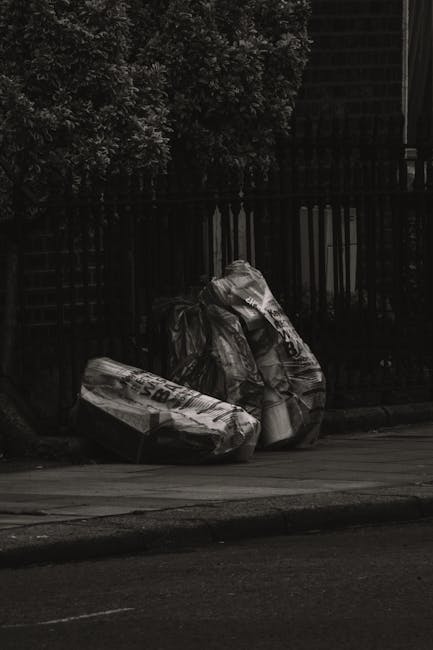
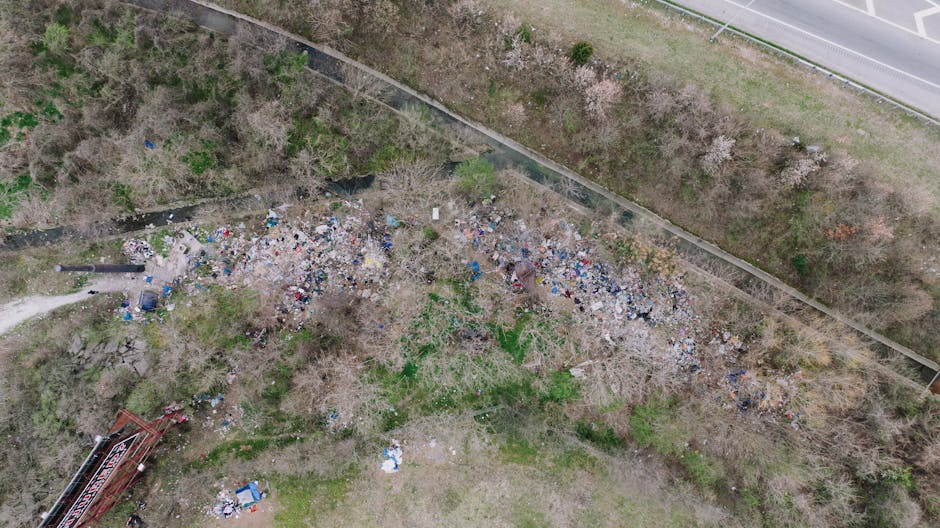
If you live in Marylebone, illegal waste is one of those problems that can seem small right up until it becomes your problem. A bag left beside a full bin, a fly-tip outside a block of flats, or a box of renovation waste abandoned after a hurried move can all trigger complaints, enforcement action, and, in some cases, fines. This guide explains Fines for Illegal Waste in Marylebone: Resident Guide in plain English, so you know what counts as unlawful dumping, how penalties are usually handled, and how to avoid awkward mistakes that can be expensive later.
Marylebone has its own mix of busy streets, managed buildings, narrow access routes, and high footfall. That means rubbish left in the wrong place is noticed quickly. It also means residents, landlords, tenants, and anyone arranging a clearance should be a bit more careful than average. Let's face it, nobody wants to be the person whose old sofa ends up becoming a neighbourhood issue.
Below, you'll find the legal basics, practical steps, common traps, and a realistic checklist you can use before you put out anything bulky, broken, or difficult to dispose of.
Why Fines for Illegal Waste in Marylebone: Resident Guide Matters
Illegal waste is not just about mess. In an area like Marylebone, it affects street appearance, pest risk, pavement access, neighbour relations, and how quickly public areas feel neglected. One skipped bag or half-dismantled cabinet can snowball into a complaint or a penalty, especially where waste is left near communal entrances, garden squares, or narrow side streets.
What makes Marylebone a little different is the pace and density of everyday life. Delivery traffic, commuters, residents, cleaners, and building staff all share the same limited space. If waste is dumped in a shared area, it can block access for cleaners, cause odours, and attract attention within hours rather than days. That's why local residents benefit from understanding not only the rules, but the practical habits that keep them out of trouble.
There is also a financial angle. A penalty for illegal waste can be far more painful than arranging legitimate removal in the first place. And if the waste can be traced back to a flat, a hallway, or a vehicle, the issue may be treated as avoidable rather than accidental. A quick tidy-up now is usually much cheaper than a stressful letter later.
Expert summary: The safest approach in Marylebone is simple: keep waste contained, use the correct collection method, and never assume "someone else will deal with it." If the item is bulky, messy, or unclear, treat it as something that needs proper planning rather than a quick doorstep leave-out.
How Fines for Illegal Waste in Marylebone: Resident Guide Works
At a practical level, illegal waste enforcement usually starts with a visible problem. That may be a bag left beside bins, furniture left on the pavement, renovation debris dumped beside a building, or waste placed in a way that breaches local rules or tenancy conditions. The exact enforcement route can vary, but the pattern is often similar: the issue is noticed, documented, and followed up if the responsible person can be identified.
"Illegal waste" is a broad phrase. In everyday use it can include fly-tipping, dumping rubbish without permission, putting waste out on the wrong day, or leaving bulky items where they obstruct the street. It can also include waste from a property renovation or clearance that is not handled through an approved collection route. The details matter. For example, a bag left outside because the bin store is full is not the same as a deliberate dump, but both can still create trouble.
In many cases, the process is less dramatic than people imagine. A complaint may be made, photos may be taken, and the issue may be reviewed by the relevant enforcement body. If the waste appears linked to a resident, tenant, landlord, or business, that person may be contacted. Sometimes the first outcome is a warning or request to remove the waste. In other situations, a fixed penalty or further action may follow. To be fair, the best defence is usually prevention.
It helps to remember that responsibility can sit with the person who produced the waste, the person who arranged its removal, or, in some settings, the property occupier. If you hand waste to someone informal and it later turns up in a back lane, that can still come back to you if there is evidence. That's a bit of a grim thought, but it is exactly why using a proper clearance route matters.
Key Benefits and Practical Advantages
A clean, compliant waste routine is not just about avoiding fines. It makes daily life easier. You spend less time worrying about missed collections, complaints, and awkward hallway build-ups. Things feel calmer when rubbish is handled properly, especially in shared buildings where everyone notices everyone else's habits.
- Lower risk of penalties: Proper disposal reduces the chance of enforcement action.
- Better neighbour relations: No one enjoys staring at a pile of bags by the front door.
- Cleaner communal spaces: Hallways, bins stores, and front gardens stay more usable.
- Less pest attraction: Food waste and packaging left out too long can create unwanted visitors.
- More predictable costs: Planned removal is usually easier to budget for than an unexpected fine.
- Less stress during moves or refurbishments: You know the waste has been dealt with correctly.
There's another benefit people miss: good waste management protects the rest of your cleaning routine. If you are arranging a deep clean, a move-out clean, or even a simple one-off cleaning visit, you do not want clutter and rubbish getting in the way. Clean spaces stay clean more easily when waste is removed properly first.
Who This Is For and When It Makes Sense
This guide is for anyone in Marylebone who might produce, store, move, or arrange disposal of waste. That sounds broad because it is broad. Illegal waste problems do not only involve people "doing something wrong on purpose." They often start with routine life stuff: a sofa you no longer need, packaging from a delivery, cleaning after renovation, or a flat clear-out before a tenancy change.
It makes particular sense if you are:
- a tenant preparing to move out;
- a landlord or managing agent dealing with left-behind items;
- a homeowner having a clear-out;
- someone receiving bulky furniture or refurbishment waste;
- a business owner with office rubbish or old fixtures;
- anyone sharing bins in a block or managed property.
If your situation involves awkward or heavy items, it is often worth checking whether a house clearance or professional cleaning service would be easier than trying to shift everything yourself. In shared buildings, the practical issue is usually not the item itself but where it sits while you wait. A chair in the wrong place for two hours can become an issue faster than you'd think.
Step-by-Step Guidance
Here is the simplest way to stay on the right side of waste rules in Marylebone. Not glamorous, but very effective.
- Identify the waste category. Is it general rubbish, recycling, bulky furniture, renovation debris, or something that needs special handling?
- Check where it should go. Shared bins, private bins, scheduled collections, and bulky waste arrangements are not interchangeable.
- Keep everything contained. Bags should be tied, boxes closed, and loose items secured so they do not spill into public space.
- Do not leave items out early. Timing matters. Leaving waste out too soon can create problems even if collection is coming.
- Avoid obstructing pavements, entrances, or bin stores. If people have to step around your waste, it is already a problem.
- Use a proper clearance route for large items. Sofas, beds, wardrobes, and builder's debris usually need more than a standard bin solution.
- Keep proof of lawful disposal. Receipts, booking confirmations, and photos can help if there is any later dispute.
A small real-world example: someone clears a flat on a Friday evening, puts bags in the hallway "for the morning," then gets delayed. By Saturday, the bags are in the communal sightline, the odour is noticeable, and the building manager is not amused. The problem began as convenience. It ended as avoidable friction. Happens all the time, honestly.
If the waste comes from renovation or a bigger clean-out, you may also want to consider pairing the removal with after builders cleaning so dust, fragments, and leftover debris are handled in a single sensible sequence.
Expert Tips for Better Results
From a practical point of view, the best waste habits are the boring ones. Boring is good here. The less dramatic your rubbish routine, the fewer problems you tend to have.
- Plan waste removal before the clutter grows. One pile is manageable; three piles become an obstacle course.
- Use the right containers. Loose rubbish is more likely to spread and attract attention.
- Separate items early. Reusable, recyclable, and general waste should not be mixed if you can help it.
- Schedule clearance around building access. If your property has narrow stairs or restricted hours, plan accordingly.
- Keep shared areas clear. In a block, even a small overflow can look worse than it is.
- Be cautious with items containing liquids, sharp edges, or breakable materials. These create extra risk during handling.
If you regularly manage cleaning or property turnover, it can also help to work with a reliable cleaning company rather than trying to piece together disposal and cleaning at the last minute. In our experience, the difference is not just speed; it is calm. And calm matters when a building manager, tenant, or neighbour is already watching the situation closely.
Another good habit: photograph the waste before and after removal if you are dealing with a shared property, dispute, or tenancy handover. You do not need to turn it into a project. Just enough to show what was there and that it has gone. Simple, tidy, done.
Common Mistakes to Avoid
The biggest mistakes are usually the most ordinary ones. That is the annoying bit. People do not usually get into trouble because they set out to break rules; they get into trouble because they are rushed, tired, or assuming "it'll be fine."
- Leaving bags next to full bins: If the bin is full, adding more waste beside it can be treated as an issue rather than a workaround.
- Putting bulky items out without checking collection rules: Furniture and mattresses are not the same as household rubbish.
- Using an unverified collector: If they dump the waste elsewhere, the trail can come back to you.
- Mixing renovation debris with normal bags: Builders' waste often needs separate handling.
- Ignoring shared-building rules: Blocks often have stricter expectations than a single-family home.
- Forgetting about wet waste or food waste: These can smell quickly, especially in warmer weather.
- Assuming someone else will move it: That is one of those thoughts that sounds harmless at 8 a.m. and awful by lunchtime.
Another common issue is overfilling the bin store. If you are finishing a domestic cleaning session or preparing for a tenancy inspection, the temptation is to just get everything out of sight. But if "out of sight" means "on the pavement until Tuesday," you have not solved the problem. You've just moved it.
Tools, Resources and Recommendations
You do not need a complicated setup to manage waste properly. A few sensible tools go a long way. Think more "well-prepared home" than "professional waste depot."
- Sturdy refuse sacks: Useful for preventing spills and keeping waste contained.
- Labels or marker pens: Helpful if you are separating items for collection, donation, or disposal.
- Protective gloves: Worth having for sharp or dusty items.
- Basic storage space: Even a small, dry corner can stop clutter spreading while you organise removal.
- Booking confirmation or receipt: Keep proof when you arrange lawful disposal or clearance.
For bigger items, a service approach is often simpler than DIY. If you need help with furniture, carpets, or soft furnishings, relevant pages such as carpets cleaner, sofa cleaning, upholstery cleaning, or window cleaning may fit into the wider clean-up process once bulky waste has been removed.
If your concern is simply clearing out a tired room or sorting a flat before a deadline, house cleaning or home cleaners can be a practical next step after waste is gone. For office premises, the same logic applies with office cleaning and office cleaners.
Law, Compliance, Standards, or Best Practice
Waste and fly-tipping issues in the UK are taken seriously, and local authorities generally expect residents to dispose of rubbish responsibly, use approved services, and avoid creating nuisance or obstruction. In practice, this means you should never treat public space, communal corridors, or bin areas as temporary storage unless the building rules specifically allow it.
Best practice is straightforward even if the formal details vary by property and local procedure:
- follow collection instructions exactly;
- keep waste on private property until it is ready to be moved;
- retain evidence of lawful disposal where possible;
- do not pass waste to unlicensed or informal collectors;
- respect building management rules and tenancy terms;
- deal with bulky or awkward items through proper channels.
If you are unsure how something should be handled, treat uncertainty as a warning sign rather than a reason to improvise. That is especially true for mixed waste, building debris, broken appliances, or items with sharp or dirty surfaces. Compliance is not really about perfection. It is about showing that you acted sensibly and responsibly.
For service providers or landlords, internal policies also matter. A cleaning or clearance arrangement should be backed by clear terms, proper insurance, and safe working practices. Pages such as insurance and safety, health and safety policy, and terms and conditions are useful reminders that waste handling sits inside a broader duty of care, not outside it.
Options, Methods, or Comparison Table
Different waste situations need different approaches. Here's a simple comparison to help you decide what makes sense.
| Option | Best for | Pros | Risks or limits |
|---|---|---|---|
| Standard household bins | Everyday household rubbish | Simple, familiar, low effort | Not suitable for bulky or excess waste |
| Scheduled bulky collection | Furniture, mattresses, large household items | Clear route, less mess, more controlled | Must follow timing and booking rules |
| Professional clearance | Large moves, mixed waste, time-sensitive clear-outs | Fast, organised, less physical strain | Usually costs more than doing nothing, which is not a surprise |
| DIY transport to an appropriate disposal point | Smaller quantities if you have time and access | Can be cost-effective | Requires transport, loading, and correct sorting |
| Informal dumping or leaving items beside bins | Nothing, really | None worth having | High risk of penalties, complaints, and mess |
If you are weighing up convenience against compliance, the table is pretty honest: the "quick and easy" option is rarely the safest one. Most of the time, a modest bit of planning saves more money and hassle than it costs.
Case Study or Real-World Example
Imagine a resident in Marylebone moving out of a one-bedroom flat after years of accumulated stuff. There is an old chair, some flattened boxes, a broken bedside table, and a stack of bagged rubbish from a last-minute sort-out. The first instinct is often to place it all by the building entrance and deal with it later. It looks temporary. It feels temporary. That is the trap.
Instead, the resident breaks the job into steps: useful items are separated, rubbish is bagged securely, the chair and table are booked for proper removal, and the hallway stays clear. The clearance happens on time, the area remains tidy, and there is nothing left outside overnight. No complaints, no awkwardness, no "who left this here?" messages from the building manager.
What changed? Not luck. Just sequencing.
That kind of approach works especially well when combined with a final reset like end of tenancy cleaning after the waste is gone. For some properties, especially after decorating or maintenance, pairing clearance with deep cleaning makes the handover feel much smoother. Nothing magical about it. It simply gets the job finished properly.
Practical Checklist
Use this checklist before you leave any waste in or around your Marylebone property:
- Have I identified exactly what the waste is?
- Does it need normal collection, bulky removal, or special handling?
- Is it securely bagged, boxed, or contained?
- Will it block a doorway, corridor, pavement, or bin store?
- Am I leaving it out at the correct time?
- Do I have proof of booking or lawful disposal if needed?
- Have I checked building rules or tenancy instructions?
- Could a professional clearance or cleaning service handle this more safely?
- Is anything sharp, wet, heavy, or likely to spill?
- Have I made sure someone else is not going to be blamed for my rubbish?
If you can answer "yes" to the sensible questions and "no" to the risky ones, you are probably on the right track.
Conclusion
Illegal waste fines in Marylebone are easier to avoid than most people think. The core idea is simple: keep waste contained, remove it through the right route, and never treat public or shared space as temporary storage. In a busy part of London, small lapses stand out quickly, and the cost of a mistake can be more than just money. It can be time, stress, and a fair bit of embarrassment.
For residents, landlords, and anyone managing a clear-out, the best strategy is calm planning. Identify the waste, arrange proper removal, and finish with a clean, tidy space that does not cause trouble for anyone else. That is really the whole game.
If you are preparing a move, sorting a cluttered flat, or dealing with bulky items that need a proper plan, it is worth getting organised early rather than waiting for the mess to grow legs.
Get a free quote today and see how much you can save.
And if you do it properly this time, future-you will be quietly grateful. Probably with a cup of tea in a much clearer room.
Frequently Asked Questions
What counts as illegal waste in Marylebone?
In practical terms, illegal waste usually means rubbish left or dumped where it should not be, or waste handled in a way that breaks local collection rules. That can include fly-tipping, placing items beside bins, or leaving bulky waste in shared areas without proper arrangement.
Can I be fined for leaving rubbish next to a full bin?
Yes, that can happen. Even if the bin is full, placing waste beside it can still be treated as improper disposal. The safest option is to keep it contained and wait for the correct collection route rather than creating overflow in a shared space.
Who is responsible if someone else dumps waste near my property?
Responsibility depends on the facts. If the waste clearly belongs to someone else, they may be the main focus. But if there is evidence linking it to your property, vehicle, or arrangement, you may still need to show what happened. Keep records if you can.
Do I need proof when I pay for waste removal?
It is sensible to keep proof, yes. A receipt, booking confirmation, or clear message trail can be useful if there is a dispute later. It is one of those small habits that can save a lot of hassle.
What should I do with bulky furniture in Marylebone?
Use a proper bulky waste route or a professional clearance service. Sofas, wardrobes, beds, and similar items usually do not belong in normal bins. If you are also clearing the property, a house clearance or related cleaning service may be the cleaner solution.
Is it risky to use an informal collector?
Yes, it can be. If waste is dumped illegally after being collected, the issue may come back to you if there is any evidence connecting you to the waste. It is better to use a proper, documented service.
How can I avoid problems during a move-out?
Start early, separate useful items from rubbish, book bulky removal in advance, and keep the hallway clear. If the flat needs a final reset, end of tenancy cleaning can help you hand the place over more smoothly.
Does renovation waste need different handling?
Usually, yes. Builders' debris, mixed rubble, and dust-heavy waste often need more careful handling than normal household rubbish. If the work is fresh, pairing disposal with after builders cleaning can make the space safe and usable again.
Can waste in a communal hallway lead to complaints?
Absolutely. Communal spaces are common pressure points in Marylebone buildings. Even a short-lived pile can frustrate neighbours or managers if it blocks access, smells, or looks untidy.
What is the easiest way to stay compliant?
Keep waste contained, use the correct disposal route, do not leave items out early, and keep proof of lawful removal. That combination solves most everyday problems before they start.
Should I hire a cleaner after waste has been removed?
If the area is dusty, stained, or cluttered, yes, that is often a smart next step. Services like deep cleaning or one-off cleaning can help restore the space after the rubbish is gone.
Where can I learn more about safe and responsible cleaning practices?
It helps to review service information on safety, privacy, and working standards, especially if you are booking help for a clearance or a larger clean. Useful pages include health and safety policy, insurance and safety, and recycling and sustainability.
What is the main takeaway for Marylebone residents?
The main takeaway is simple: do not improvise with rubbish. The cleaner and safer your disposal habits are, the less likely you are to face complaints, penalties, or a messy start to the next day.