Disposing Bulky Waste After Clearance in Marylebone
If you have just finished a house clearance, office tidy-up, or a one-off declutter, the next problem often arrives fast: what do you do with the bulky waste left behind? Old sofas, broken wardrobes, mattresses, white goods, and awkward bits of furniture can sit in the way long after the "clearance" part is done. Disposing Bulky Waste After Clearance in Marylebone is not just about getting items out of the property; it is about doing it safely, legally, and with as little fuss as possible. In a busy part of central London, that matters more than people think.
This guide walks you through the practical side of it all: what counts as bulky waste, how post-clearance disposal usually works, which options make sense in Marylebone, and what to avoid if you do not want extra costs, delays, or an awkward mess on your hands. To be fair, once the dust has settled, most people just want the place clear and calm again. Fair enough.
Why Disposing Bulky Waste After Clearance in Marylebone Matters
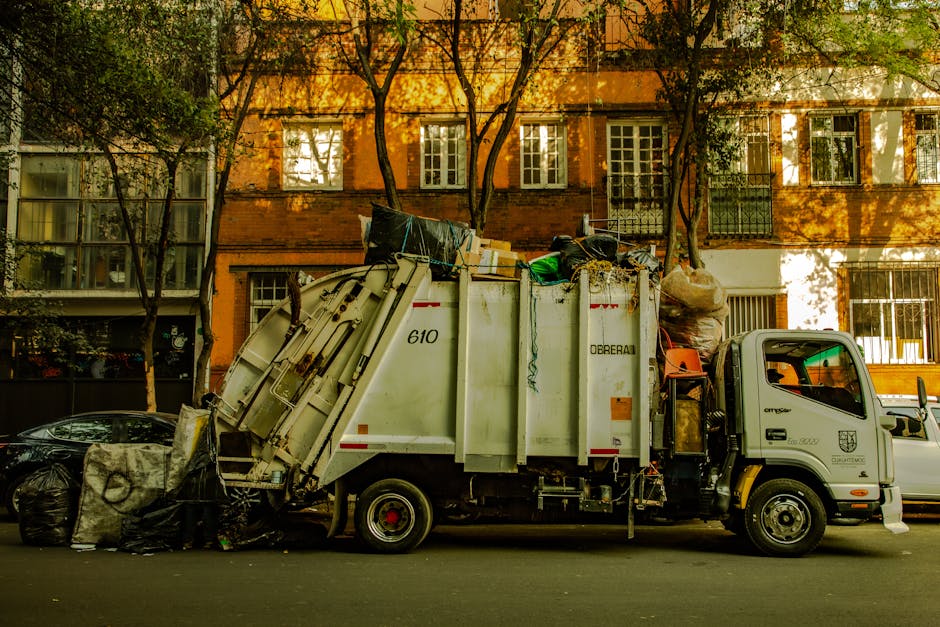
Bulky waste is the kind of waste that does not behave nicely. It is too large for normal bins, awkward to lift, and often far more time-consuming to deal with than the original clearance work itself. In Marylebone, where properties can be compact, access can be tight, and parking is never exactly generous, poor planning can turn a simple clear-out into a small logistical headache.
Why does this stage matter so much? Because the final disposal step affects safety, cost, and how quickly a property becomes usable again. A room may be technically "cleared," but if a mattress is still leaning in the hallway and an old sideboard blocks the landing, the job is not really finished. In rental properties, offices, and short-term accommodation, that lingering clutter can also delay cleaning, repairs, or handover.
There is also the environmental side. A careful disposal approach usually means more sorting, more reuse where possible, and less waste sent away thoughtlessly. That fits neatly with the broader focus of recycling and sustainability practices, which are worth thinking about even when the job feels purely practical.
Key takeaway: a good clearance does not end when the items are stacked by the door. It ends when every bulky item has been removed in a way that is safe, lawful, and suitable for the property.
How Bulky Waste Disposal After Clearance Works
The basic process is straightforward, but the details matter. After the main clearance, bulky items are usually assessed, separated, and then removed using the most sensible route: reuse, recycling, specialist disposal, or licensed collection. The right approach depends on what the items are made of, their condition, and how easy they are to move.
For example, a solid wood table in decent condition may be suitable for reuse. A damaged sofa with broken framing and no realistic second life will usually be processed differently. Electricals, upholstered items, and mixed-material furniture often need more careful handling because they cannot simply be treated as one homogenous pile of rubbish. That part gets missed a lot, and then people wonder why the disposal quote changed halfway through. Not ideal.
In Marylebone, access is often the silent challenge. Narrow staircases, basement flats, mews properties, shared entrances, lift restrictions, and loading limitations can all affect how bulky waste is carried out. A well-planned disposal job accounts for these details before anyone starts lifting.
If the clearance forms part of a wider property reset, it can also tie in neatly with services like house clearance, end of tenancy cleaning, or even after builders cleaning where dust, rubble, packaging, and leftover fittings all need a final sweep.
Key Benefits and Practical Advantages
There are obvious benefits, and then there are the less obvious ones. Most people think first about "getting rid of the stuff." Sensible. But the real value is broader than that.
- Safer movement through the property: no tripping over bulky items or squeezing past a half-removed sofa.
- Faster handover: landlords, tenants, agents, and homeowners can move on without delay.
- Cleaner final result: once the big items are gone, a proper clean is much easier to complete.
- Better sorting for reuse and recycling: items in usable condition can often be separated instead of mixed into general waste.
- Less stress on the day: one coordinated removal is usually calmer than multiple ad hoc trips.
- Reduced risk of damage: careful handling helps protect walls, floors, doors, and shared hallways.
There is another advantage people often notice only afterwards: headspace. A cleared property feels different. Quieter, somehow. Less heavy. You open the door and the room breathes again. That sounds a bit poetic, maybe, but it is true.
For residents and landlords who are trying to present a property properly, pairing bulky waste disposal with deep cleaning or one-off cleaning can save a second round of disruption later.
Who This Is For and When It Makes Sense
This topic is not only for people after a major move. In reality, bulky waste disposal after clearance comes up in all sorts of everyday situations.
- Homeowners clearing a spare room, loft, basement, or entire property.
- Tenants who need to leave a flat empty before check-out.
- Landlords and letting agents dealing with abandoned furniture or end-of-tenancy debris.
- Office managers replacing desks, chairs, storage units, or broken equipment.
- Families sorting a long-overdue declutter after renovations or life changes.
- Small businesses that need old stock, fixtures, or bulky packaging cleared quickly.
It also makes sense when the items are too heavy, awkward, or numerous for a standard bin collection. A broken wardrobe is one thing. Three wardrobes, two mattresses, an old fridge, and a pile of dismantled shelving is a different story entirely.
If the clearance is in a residential setting, it often sits alongside domestic cleaning or home cleaning. In an office, it may be linked with office cleaning and a tidy-up before new furniture arrives.
Step-by-Step Guidance
Here is the practical process, broken down simply.
- Identify everything that needs to go. Walk through the property slowly. Check rooms, cupboards, under-stairs spaces, and any odd corners where bulky items hide. Yes, there is always one more chair.
- Separate reusable items from waste. If something is in decent shape, keep it out of the disposal pile until you decide whether it can be reused, donated, or resold.
- Sort by material and risk. Wood, metal, textiles, electricals, and mixed-material items may need different treatment. Damaged items can also have sharp edges, loose springs, or hidden contamination.
- Check access and lifting routes. Measure doorways, stair turns, lifts, and any narrow stretches. In Marylebone, this is often where jobs get interesting. A bit too interesting, sometimes.
- Choose the disposal route. Decide whether the items should be collected, loaded for recycling, or handled as specialist waste.
- Protect floors and walls. Use covers, padding, and sensible handling methods before moving large pieces.
- Remove items in the right order. Heavy or bulky pieces usually go first, followed by smaller leftovers and any loose debris.
- Finish with a final sweep. Once the big items are gone, inspect the area for screws, packaging, staples, dust, and fragments that could be missed easily.
That final sweep matters more than people think. A room can look clear at first glance, but a few forgotten screws or a strip of broken plastic under the skirting can turn into a nuisance later.
Expert Tips for Better Results
If you want the whole process to feel smoother, a few habits make a real difference.
- Take photos before removal. This helps with record-keeping, quotations, and any later dispute about what was actually on site.
- Plan around access windows. In central London, timing can make or break the job. A narrow loading slot is one thing; a missed slot is another.
- Keep hazardous or special items separate. Paint, chemicals, sharp metal, and broken glass should not be mixed into ordinary bulky waste.
- Ask about recycling first. Some items can be broken down for material recovery rather than treated as general disposal.
- Bundle disposal with cleaning. The property is easier to finish when waste removal and cleaning are coordinated. If you need a deeper reset, a cleaning company can sometimes simplify the sequence.
A small practical note from day-to-day work: tape down loose cabinet doors before moving them. It seems trivial until a door swings open on a staircase and scrapes the wall. Then it is not trivial at all.
Also, do not underestimate how much time sorting can save later. Ten minutes separating electricals, fabric, and timber can prevent a messy mixed load that is harder to process properly.
Common Mistakes to Avoid
Bulky waste disposal looks simple from a distance. Up close, there are a few classic mistakes that cause extra cost or unnecessary hassle.
- Leaving sorting until the last minute. This is the fastest way to create confusion and delays.
- Assuming everything can go together. Mixed loads are not always treated the same way, and some items need special handling.
- Ignoring access restrictions. A bulky item that fits the room may still fail at the corridor or stair bend.
- Forgetting about safety. Lifting heavy furniture without enough people or the right method is asking for trouble.
- Not checking what should be retained. Spare keys, paperwork, chargers, or personal items often hide inside drawers and cushions.
- Leaving the final clean unfinished. A cleared room is not necessarily a finished room.
One slightly annoying but common issue: people clear first, then realise they wanted photos for insurance, inventory, or records. If that might matter, take them before anything leaves the property. Future-you will be grateful.
Tools, Resources and Recommendations
You do not need a warehouse full of gear, but a few practical tools make bulky waste disposal much easier and safer.
- Measuring tape: useful for checking doorways, stair turns, and item dimensions.
- Heavy-duty gloves: helpful for handling rough edges, old timber, and split upholstery.
- Protective covers or blankets: ideal for shielding walls, bannisters, and flooring during removal.
- Tape and labels: useful for marking items that are for disposal, reuse, or keeping.
- Basic trolley or sack barrow: can reduce strain where access allows.
- Rubbish sacks and boxes: good for loose debris, fittings, and smaller fragments once the main items are gone.
For service planning, it can help to explore related pages such as house clearance, office cleaners, or cleaners if you are arranging a broader clean-up around the same time. And if you want to understand how a provider presents its standards and working approach, the about us page is often a sensible place to start.
For practical confidence around service delivery, it is also worth checking a company's health and safety policy and insurance and safety information. Those pages can tell you a lot about how carefully the work is handled.
Law, Compliance, Standards, or Best Practice
When bulky waste is being removed after a clearance, the important thing is to follow normal UK waste-handling expectations and use sensible best practice. You do not need to become a legal expert, but you do need to avoid careless disposal.
In plain English, that means waste should be handled responsibly, transferred to appropriate facilities or processors, and never dumped somewhere it should not be. If an item could be reused, it is usually better to keep that option open. If it is damaged, contaminated, or unsafe, it should be treated accordingly rather than forced into a general pile and forgotten about.
There is also a duty of care mindset that applies in practice: know what you are handing over, keep items separated where needed, and make sure the disposal route is suitable for the material. For businesses, that becomes even more important because records, traceability, and reasonable checks matter more. For homeowners, the standard is simpler, but the principle is the same: dispose properly, not hastily.
Safety standards matter too. Bulky waste can contain hidden hazards such as broken springs, protruding nails, old electrical parts, or unstable frames. If there is any doubt, pause and assess it. A careful minute is worth more than a rushed injury. Nobody wants a heroic lift that ends with an awkward phone call and a sore back the next morning.
If you are booking a service, it is sensible to review terms and conditions, payment and security information, and pricing and quotes so expectations are clear before work begins.
Options, Methods, or Comparison Table
Different disposal methods suit different situations. The best choice depends on condition, quantity, access, and how quickly the property needs to be handed back.
| Method | Best for | Pros | Watch-outs |
|---|---|---|---|
| Reuse or donation | Items in good condition | Waste reduction, often the most sustainable route | Not suitable for damaged, stained, or unsafe items |
| Recycling-focused disposal | Metals, wood, textiles, and separable materials | Better resource recovery, less general waste | Requires sorting and may take a little more time |
| General bulky waste removal | Mixed household or office items | Fast and practical for larger clearances | Needs proper handling and access planning |
| Specialist handling | Electricals, hazardous items, or awkward materials | Safer and more appropriate for difficult waste streams | May involve extra preparation |
For most Marylebone clearances, the best answer is a mix of methods rather than just one. A sofa may be reusable, a mattress may be suitable for specialist handling, and a pile of dismantled shelving may be ready for recycling. Real life is rarely neat. That is the honest version.
Case Study or Real-World Example
Imagine a two-bedroom flat near Marylebone High Street after a long-overdue clearance. The owners have already removed personal belongings, but what remains is the difficult stuff: a sofa bed, an old wardrobe, two mattresses, a damaged coffee table, and assorted shelves from a home office.
The first issue is access. The building has a narrow stairwell and a shared entrance, so the team checks the route before moving anything. The second issue is sorting. The coffee table is damaged beyond use, but the wardrobe panels are still in decent condition and may be suitable for recovery. The sofa bed is bulky and awkward, so it needs careful handling and extra protection for the wall corners.
Once the bulky items are removed, the room is swept thoroughly. Small screws, dust, and a few forgotten paper scraps are picked up. The flat then moves into the next phase: a light reset clean so it feels ready for viewing or handover. That is where services like end of tenancy cleaning can fit naturally after the waste has gone.
The result is simple but effective: fewer trips, less disruption, and a property that feels genuinely finished rather than half-done. You can almost hear the difference when the echo in the room changes. No joke.
Practical Checklist
Use this checklist before the last bulky item leaves the property.
- Confirm exactly which items are staying and which are going.
- Check cupboards, drawers, and storage spaces for valuables or paperwork.
- Measure doorways, stairs, and lift access where needed.
- Separate reusable items from broken or contaminated waste.
- Keep electricals, sharp materials, and special waste apart.
- Protect floors, walls, and corners before moving heavy items.
- Make sure the disposal route matches the type of waste.
- Take before-and-after photos if you need records.
- Schedule cleaning after the bulky waste is removed.
- Do a final sweep for screws, fragments, and hidden debris.
If the property includes carpets, upholstery, or hard flooring that needs attention after the clearance, it may be worth coordinating with carpet cleaning, upholstery cleaning, or hard floor cleaning so the space is fully ready.
Get a free quote today and see how much you can save.
Conclusion
Disposing bulky waste after clearance in Marylebone is one of those jobs that looks simple right up until you actually do it. Then the access issues, the lifting, the sorting, and the final clean all show up at once. The good news is that with a clear plan, sensible handling, and the right disposal route, it becomes far more manageable.
Think of it as the final proper step in restoring order. Not just removing items, but resetting the space so it can be lived in, handed over, sold, let, or simply enjoyed again. That last part matters. A tidy, empty room has a kind of calm to it, especially after a stressful clearance. And honestly, that feeling is worth doing well.
Frequently Asked Questions
What counts as bulky waste after a clearance?
Bulky waste usually means large household or office items that do not fit in normal bins. Common examples include sofas, mattresses, wardrobes, chairs, desks, shelving, and large appliances.
Can bulky waste be reused instead of thrown away?
Yes, if the item is still in usable condition. Reuse is often the best outcome for furniture and other items that are clean, complete, and safe to pass on.
Do I need to sort bulky waste before collection?
It helps a lot. Sorting items by type, condition, and disposal route makes the process quicker and can reduce confusion on the day.
What should I do with old mattresses or sofas?
They usually need careful handling because of their size and materials. A provider will normally decide whether they can be recycled, reused, or need specialist disposal.
Is it better to remove bulky waste before cleaning?
Yes, almost always. Once the large items are gone, cleaning is faster, safer, and much more effective because the space is fully accessible.
How do access issues affect disposal in Marylebone?
Quite a lot. Narrow stairs, limited parking, and compact entrances can affect how items are lifted and removed, so planning matters more than people expect.
Can bulky waste disposal be combined with house clearance?
Absolutely. In fact, it is often part of the same job. Many clearances include furniture removal, sorting, and the removal of leftover items in one go.
What happens to items that cannot be recycled?
They are usually sent through the appropriate waste route for their material and condition. The exact process depends on what the item is made of and whether it presents any special risk.
How can I avoid damage during furniture removal?
Protect corners, use the right number of people, plan the route, and move items slowly. A rushed lift is where damage usually happens.
Is bulky waste disposal different for offices?
Yes, often. Office waste can include desks, chairs, filing units, and electrical equipment, so the process may need more sorting and a tighter time window.
Should I keep documents or valuables before disposal starts?
Definitely. Check drawers, cupboards, and storage spaces first. It is surprising how often small valuables or important papers turn up in furniture that looks empty.
How do I choose the right service for bulky waste removal?
Look for clear pricing, sensible communication, practical safety information, and a disposal approach that fits the type of items you have. If you are unsure, ask for guidance before the job begins.
What is the biggest mistake people make after a clearance?
The biggest mistake is assuming the job is finished when the furniture is out. Usually there is still sorting, final waste removal, and a proper clean to do.
When should I book bulky waste disposal in relation to moving day?
Ideally before the final handover, but after you have decided what stays. That gives you enough breathing room to finish the property properly without last-minute panic.
If you are planning a broader property reset, it can help to review the company's contact options and pricing and quotes page so you can line everything up in good time.